An answering service for towing companies whose callers are standing on the shoulder
Nobody plans to call a tow truck. They call from a dark shoulder, and if you do not answer they dial the next listing. Ansurra picks up at any hour, gets the location, the vehicle and what happened, quotes from your rate card, and gets the driver on the line when the call cannot wait.
Two free test calls · plans from $29/mo · you keep your number
Where the call gets lost.
The moments a towing business misses the phone, and what each one costs.
Your driver is under a car when it rings
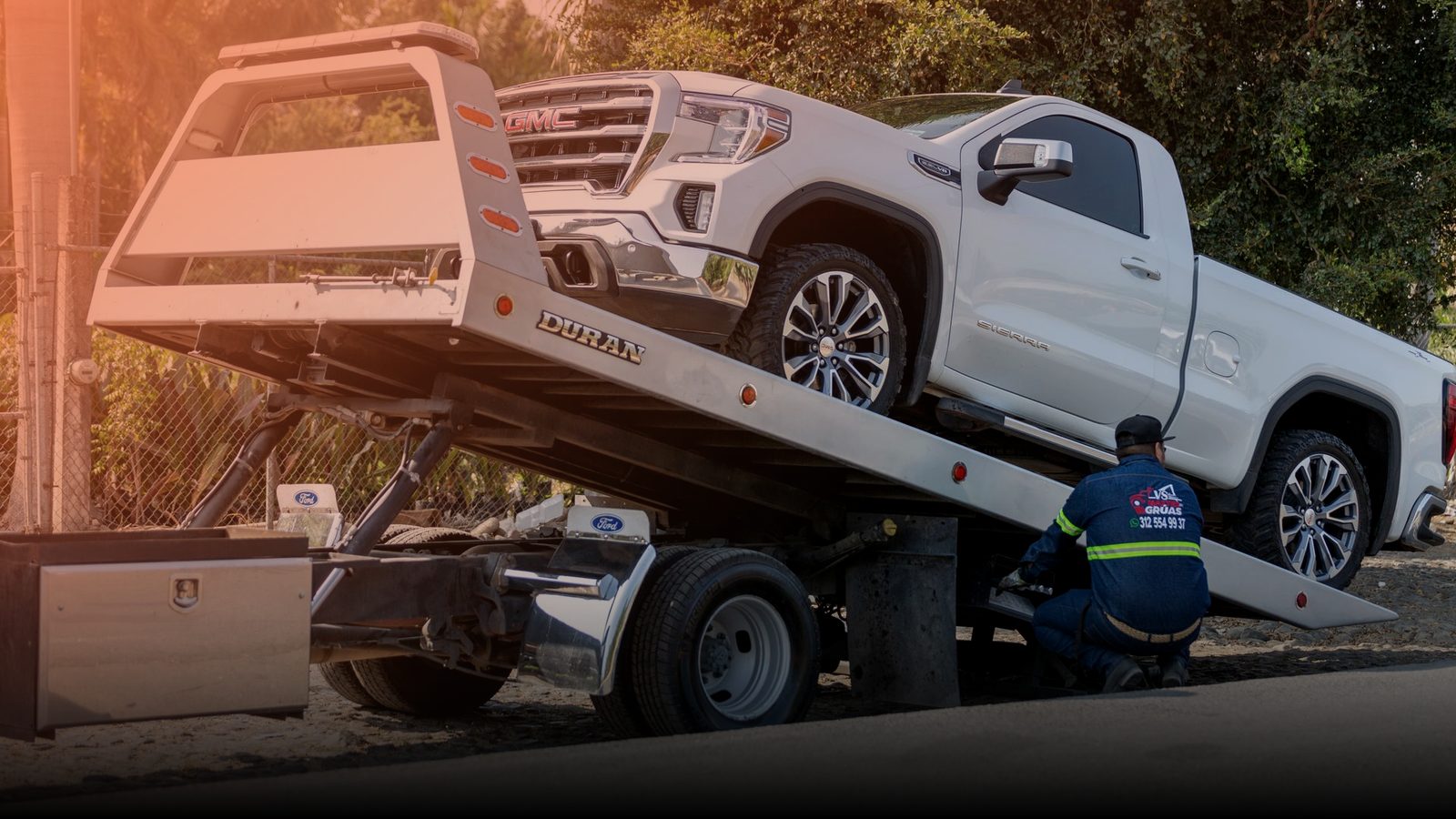
A one- or two-truck operator is also the dispatcher. When the phone rings you are hooking a Camry on a wet shoulder with traffic six feet away, or winching a pickup out of a ditch. You are not answering. The stranded driver calls the next tow company on the map, and that job, the storage fees and the impound run go with it.
Wrecks and lockouts do not keep business hours
Dead batteries, lockouts and accidents happen at closing time, in the rain, and on holiday weekends. A police rotation call at three in the morning gets one attempt before dispatch moves down the list. If you sleep through it, or your night dispatcher is on the other line, the rotation tow and the accident recovery go to the next operator.
Nuisance calls bury the real ones
A lot of the ringing on a tow line is noise: robocallers, warranty scams, people looking for a shop you are not, and the same repo skip calling back. Sorting that at midnight costs sleep, and eventually you stop picking up unknown numbers, which is how you miss the motorist with a blown tire twenty minutes away who would have paid tonight.
What Ansurra does on the call.
The receptionist, in towing terms.
It gets the location before anything else
The first question is where the caller is: highway and direction, nearest exit or mile marker, cross streets, or a business name. Then the vehicle, year, make, model and color, whether it rolls and steers, whether it is in a garage with a height limit, and whether anyone is hurt. All of it goes into the call summary and, if you use one, your dispatch board through Zapier or a webhook.
Hook, mileage and after-hours rates, exactly as you set them
Towing pricing is a hook fee plus per-mile, with different rates for flatbed, heavy duty, after hours and winch-outs. You put those on your price list and Ansurra quotes them word for word: ninety-five dollars for the hook and four dollars a mile after the first five. Recovery jobs it does not price; it says the operator quotes on scene, if that is what your list says.
Urgent calls reach the truck
An accident scene, a police rotation call, or a customer blocking a lane is not a message. Ansurra transfers those to your cell, straight through or warm, with a one-line briefing first: disabled F-150 on I-95 northbound at exit 12, no injuries, needs a flatbed. If you cannot pick up, it takes the full details and emails them to you immediately, and the caller has spoken to a calm voice instead of a beep.
Scheduled tows and roadside jobs on the calendar
Not every job is an emergency. A dealer transport, a non-running project car going to a shop, or a jump start that can wait until morning gets booked on your Google Calendar or Cal.com in a real open slot. The customer gets an email confirmation and a reminder. Repeat customers, the body shop that calls every week, are recognized by caller ID and greeted by name.
A call, start to finish.
How a call to Ridgeline Towing & Recovery — a fictional business — plays out. The receptionist only offers times its calendar shows free and only quotes what the owner's price list says.
Ansurra vs. what you use today.
Voicemail, an answering service, a person at the desk: what each still does better, and what it costs.
Voicemail loses the roadside caller every time
A stranded motorist does not leave a message. They hang up on the second ring of a voicemail greeting and call the next operator, because they are cold and the phone is dying. Ansurra answers in a natural voice, gets the location first, and either connects the driver or takes a complete report. The recording and summary are in your dashboard before the truck rolls.
A human answering service reads a card and takes a message
Traditional services are good at sounding calm at three in the morning, and some callers prefer a person, which is fair. They cannot see your calendar, so a scheduled transport still needs a callback, and they rarely know your rate card. Ansurra books and quotes live. For a heated dispute about damage during a tow, have the call transferred to a human.
A night dispatcher is a salary for a phone that rings in bursts
Tow calls come in clusters: a storm, a Friday night, a holiday weekend. Staffing a dispatcher for every hour means paying for the quiet ones. Ansurra costs from twenty-nine dollars a month, handles a burst of calls at once, and lets your dispatcher, or you, take the ones that need a person while the rest are recorded, scored and waiting in the dashboard.
How it works.
Paste your website
Ansurra reads your services, hours and service area and drafts its own knowledge. Add your price list if you want it quoting.
Forward your number
One dial code at your carrier — every call, or only the ones you miss. You keep the number your customers know.
It answers
From the next ring: it books on your calendar, emails confirmations, transfers emergencies to your cell and sends you every detail.
Towing, answered.
Can it handle police rotation calls?
It answers them like any urgent call: takes the location, vehicle and scene details, and transfers to your on-call cell straight through or with a spoken briefing. It cannot accept or decline a rotation call on your behalf, and it will not promise an arrival time. If you do not pick up, the full details are emailed immediately so you can call the dispatcher back.
How does it quote when every tow is a different distance?
It quotes the structure, not a total: your hook fee and per-mile rate, plus any flatbed, heavy-duty or after-hours differences, exactly as written on your price list. It does not estimate mileage or add up a final price. For winch-outs, recoveries and anything your list marks as quote-on-scene, it says the operator prices it on arrival.
Will it stop the scam and robocalls that hit tow lines all night?
Yes. Ansurra screens robocalls and spam automatically, and you can add numbers to a blocklist for your business, the repeat nuisance caller or the fake warranty line. Screened calls are recorded in the dashboard so you can check what was blocked, but they do not ring your cell at two in the morning. Real callers get through as normal.
Can it send the job to my dispatch software?
Every call, booking and lead can be pushed through Zapier or a custom webhook to whatever you use: a dispatch board, a spreadsheet or a CRM. The call summary carries the location, vehicle, situation and callback number in fields you define, so a scheduled transport or a roadside report shows up where your drivers already look.
What if I only want it answering when I miss the call?
That is the most common setup for a one-truck operator. Your carrier forwards calls with one dial code, and you choose all calls or only busy and no-answer. With busy and no-answer, your cell rings first; if you are under a car or on the other line, Ansurra picks up after a few rings and the caller never hears voicemail. You keep your number.
What does it cost for a two-truck operation?
Starter is $29/mo for 60 talk minutes, Growth $49/mo for 180, Pro $99/mo for 400 minutes and up to 4 numbers, Scale $299/mo for 1,000 minutes and up to 7 numbers. Extra minutes are $0.35 each, $0.25 on Scale. A two-truck shop taking after-hours calls will usually want Growth or Pro. Yearly is one month free, you get two free test calls to your own receptionist before you pay, and there is a 14-day money-back guarantee.
Put it on your phones.
Built from your website in about two minutes. Two free test calls, then plans from $29 a month, cancel anytime.
Get Started