The AI receptionist that answers when your law firm is in court
A potential client who reaches voicemail calls the next firm on the list. Ansurra picks up every time, collects the details your intake form asks for, books the consultation on your calendar and emails you a summary before you are out of the courtroom. It takes no position on the law.
Two free test calls · plans from $29/mo · you keep your number
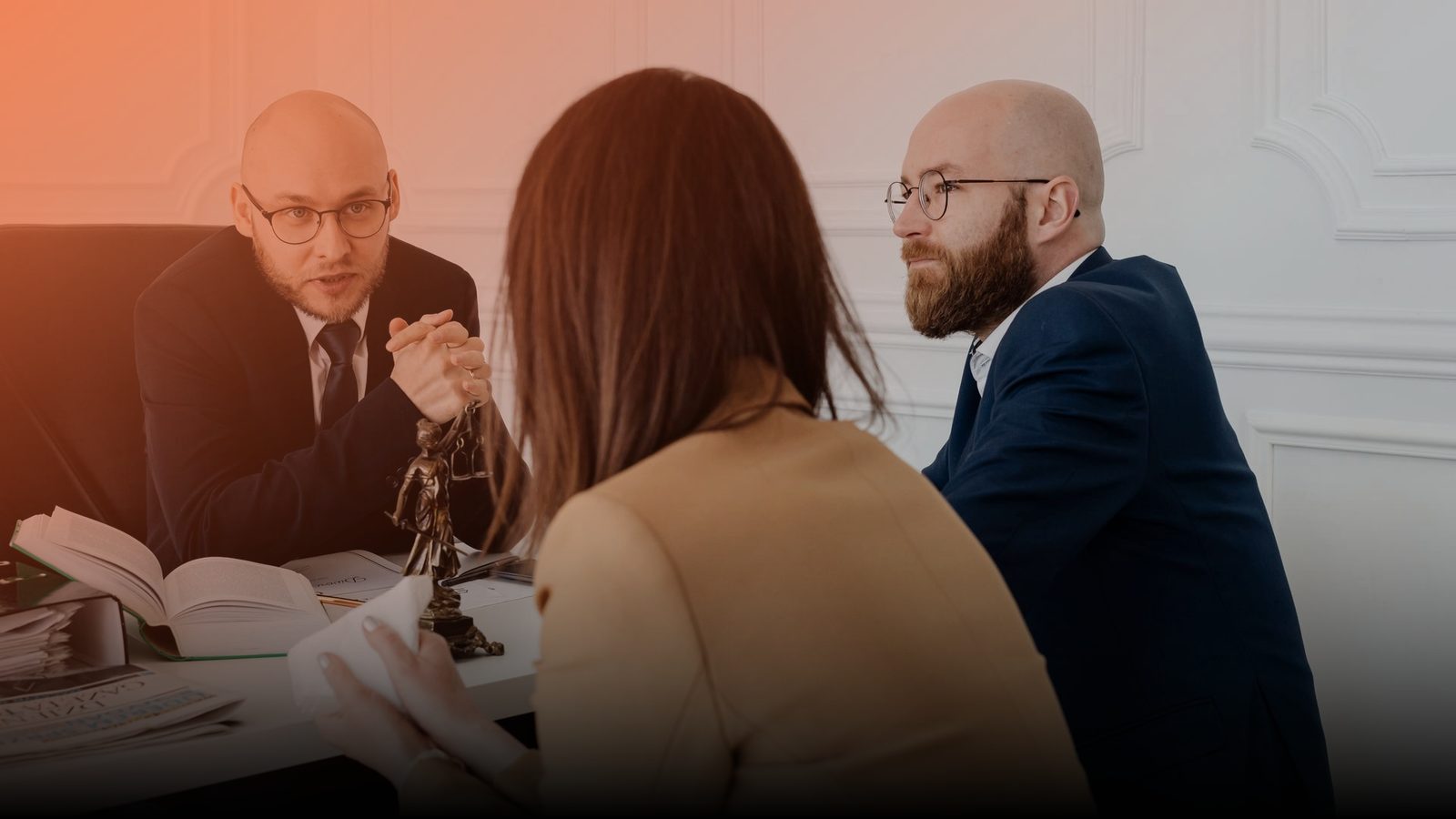
Where the call gets lost.
The moments a law firms business misses the phone, and what each one costs.
The call comes during the hearing
Family law, personal injury, criminal defense: the person calling has usually just had the worst week of their year, and they are calling now, not at a convenient hour. You are in a hearing, a deposition or a client meeting with your phone face down. By the time you step out, they have left no message and retained someone else.
A missed intake is a missed matter
A contested divorce, a slip-and-fall with real injuries, an estate that needs probate: one retained matter can be worth thousands in fees. Callers shopping for a lawyer rarely leave voicemail; they hang up and dial the next result. One unanswered afternoon can cost the firm a case, and nobody in the office will ever know it rang.
Your paralegal is not a switchboard
Small firms route the main line to a paralegal or legal assistant who is also drafting motions, calendaring deadlines and chasing discovery. Every ring pulls them off billable work. After five thirty the line goes to voicemail, and weekend arrests, custody emergencies and accident victims discharged from the ER all land there.
What Ansurra does on the call.
The receptionist, in law firms terms.
Intake without the interrogation
Ansurra asks the questions your intake sheet asks: the caller's name and callback number, what happened, when it happened, which county, whether anyone else is already involved. You define the fields, so the intake can capture an arrest date and court for a criminal matter or a date of injury for a personal-injury claim. Everything lands in a transcript and a summary in your inbox.
Consultations booked on your real calendar
The consultation goes straight onto the attorney's calendar during the call. Ansurra offers only the openings that are actually free, so a thirty-minute initial consult does not land on top of a motion hearing. The caller gets a confirmation email, then a reminder the day before, which helps with the no-shows that eat a small firm's afternoons. If the week is full, it offers a waitlist spot and tells the caller when something opens.
Fees quoted only as you wrote them
If you publish a flat fee for an uncontested divorce or a free thirty-minute consultation, Ansurra can say so, word for word from the price list you control. If your list says hourly rates are discussed at the consult, that is exactly what the caller hears. It does not guess at retainers, and it never offers an opinion on the merits of a case. Legal questions are noted for the attorney, not answered.
Existing clients and true emergencies
A client calling back about their case is recognized by caller ID and greeted by name, and Ansurra knows which appointment they already have. A caller who says a family member was just arrested, or a court date is tomorrow, can be transferred live to the attorney's cell, with a one-line briefing first if you prefer. Robocalls and spam are screened before they reach anyone; a per-firm blocklist handles the persistent ones.
A call, start to finish.
How a call to Calder & Reyes Family Law — a fictional business — plays out. The receptionist only offers times its calendar shows free and only quotes what the owner's price list says.
Ansurra vs. what you use today.
Voicemail, an answering service, a person at the desk: what each still does better, and what it costs.
Versus voicemail
Voicemail asks a frightened person to summarize their legal problem to a machine and wait. Most do not. Ansurra holds a conversation, gets the facts your intake needs and books the consult while the caller is still motivated. The transcript and summary arrive in your inbox, so you walk into the consultation already knowing what happened.
Versus a legal answering service
A traditional answering service is a human reading your script, often at a per-minute rate that climbs with every intake. They take a message; they rarely see your calendar, so booking becomes a callback. Ansurra books live for a flat monthly fee. Where a human operator still wins: hearing an incoherent, distressed caller and deciding on the spot that this one needs the attorney now. Ansurra transfers on the rules you set, not on instinct.
Versus a full-time receptionist
A front-desk hire is the right answer for a firm with walk-in traffic and paper to manage, and nothing replaces a familiar face for clients who come to the office. What a receptionist cannot do is answer at nine at night or on Sunday morning after an arrest. Small firms tend to run Ansurra alongside their staff: the front desk answers when it can, and Ansurra takes the overflow and the after-hours line.
How it works.
Paste your website
Ansurra reads your services, hours and service area and drafts its own knowledge. Add your price list if you want it quoting.
Forward your number
One dial code at your carrier — every call, or only the ones you miss. You keep the number your customers know.
It answers
From the next ring: it books on your calendar, emails confirmations, transfers emergencies to your cell and sends you every detail.
Law Firms, answered.
Will it give legal advice or tell callers whether they have a case?
No. Ansurra takes down what happened, when, where and who is involved, and books the consultation. If a caller asks whether they can sue, whether a charge will stick or what a case is worth, it says that is a question for the attorney and notes it in the summary. You control what it says about fees, and it says only that.
Can it collect different details for different practice areas?
Yes, within one intake. You define the fields the receptionist collects, so alongside name, callback number and a description of the matter it can capture an arrest date, the other party's name, a date of injury or the county where an order was entered. Every field appears in the summary emailed to you and in the dashboard record of the call.
What happens when someone calls about a matter the firm does not take?
Tell Ansurra what you handle. It builds its knowledge from your website in about two minutes, and you can edit it. A caller asking about a practice area you do not take hears that plainly instead of being booked into a consultation you will have to cancel. The details are still logged, so you can refer them on if you have a relationship with another firm.
Can existing clients reach their attorney quickly?
Returning callers are recognized by caller ID and greeted by name, and Ansurra knows what is already on the calendar for them. For anything urgent, a court date moved, a client taken into custody, you set the rule: transfer straight through to a cell phone, warm transfer with a spoken one-line briefing first, or take a detailed message and email it immediately after hours.
How does forwarding work if we keep our published number?
Your number does not change. Your carrier forwards calls to Ansurra with a single dial code, either every call or only the ones you miss or are busy on. Setup takes about two minutes: paste your firm's website and Ansurra builds its knowledge of your practice areas, hours and location. If you have no site, start from the law-firm template and edit it.
What does it cost for a two-attorney firm?
Most small firms start on Starter at $29 a month for 60 talk minutes, or Growth at $49 for 180 minutes. Pro is $99 for 400 minutes and up to 4 numbers, useful when partners keep separate lines. Overage is $0.35 a minute. Pay yearly and one month is free. You get two free test calls to your own receptionist before you pay, and the first payment carries a 14-day money-back guarantee.
Put it on your phones.
Built from your website in about two minutes. Two free test calls, then plans from $29 a month, cancel anytime.
Get Started